1. Show true size before checkout with 3D and AR
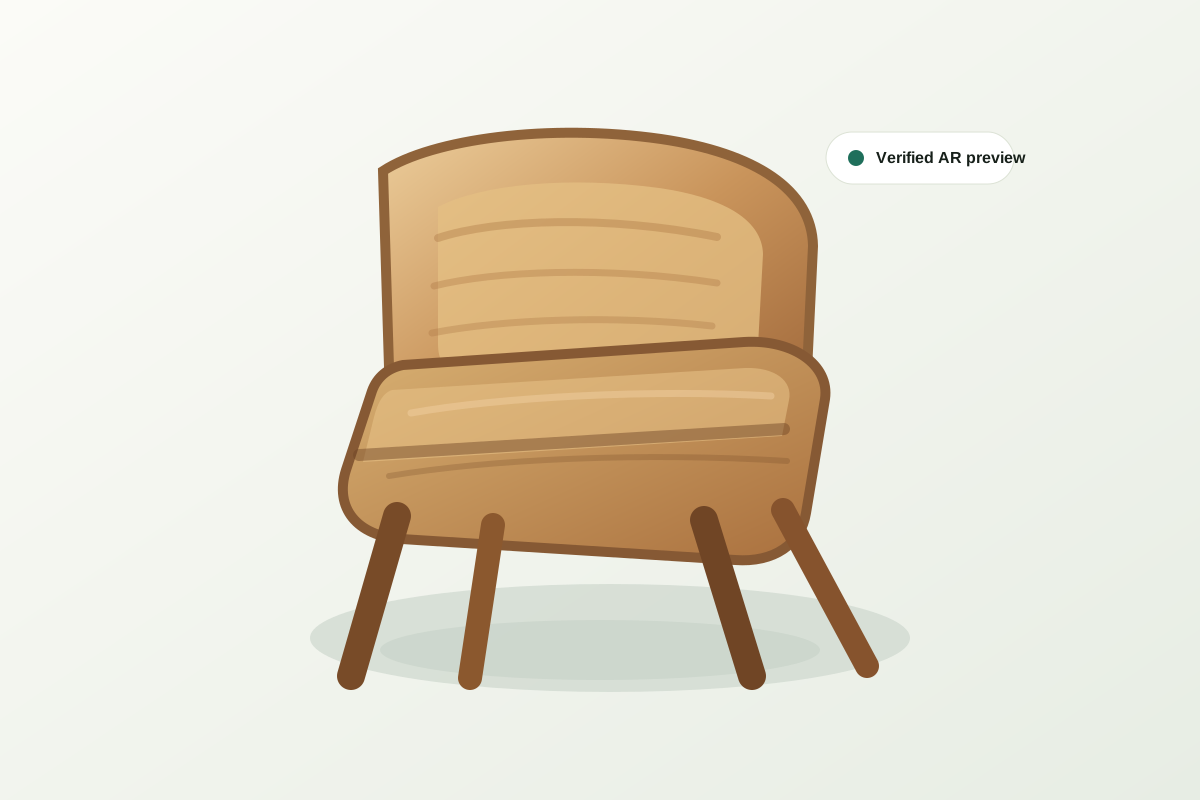
Size and space mismatch is the single largest cause of furniture returns at 58% of cases (RocketReturns, 2025), and it's the one static photos are worst at solving — a photo has no sense of scale, and a shopper's mental model of "large" or "compact" rarely matches the tape measure. A 3D viewer lets shoppers rotate the piece and judge its real proportions from every angle instead of the two or three the photographer chose; app-free AR goes further and places the actual model, at true size, on the shopper's own floor, next to their own sofa or doorway. Shopify reports products with 3D/AR content see return rates fall by up to 40% when the model sets accurate size expectations before the shopper checks out, and furniture retailer DFS reported a 112% conversion lift and a 106% lift in revenue per visit after adding 3D/AR sofa visualization (Vertebrae/DFS, 2020). Scale only helps if it is correct — a 3D preview built from merchant-entered real dimensions, not an estimate, is what actually prevents the return.
2. Put a dimension table on every product page
Width, height, depth, seat height, arm height, and box/assembled dimensions belong in a scannable table near the top of the page, not buried in a description paragraph three scrolls down. Shoppers comparing a sofa against a specific wall or doorway need exact numbers fast — if they have to hunt for them, they either abandon the purchase or guess and return it later. For modular or sectional pieces, list dimensions per configuration, not just the default layout shown in photos; configuration mismatches are a quiet but common driver of the size-related returns above.
3. Show fabric and material close-ups, not just hero shots
Color and material mismatch drives 44% of furniture returns, nearly as large a factor as sizing (RocketReturns, 2025). A single hero photo under studio lighting rarely represents how a fabric, wood tone, or finish looks in a home under ordinary daylight or lamp light. Add true-to-color close-up shots of the actual material, note the fabric composition (linen blend, performance velvet, top-grain leather), and where possible let shoppers compare finish swatches side by side before they commit to a colorway they can't easily exchange once delivered.
4. Publish reviews and photos from real buyers
Buyer-submitted photos show the product in ordinary rooms and lighting, which corrects for the gap between polished catalog photography and a shopper's actual space — the exact gap that drives color and material returns. Reviews that mention fit, comfort, delivery condition, or assembly experience answer exactly the questions that drive returns, before the shopper has to ask support or guess and hope. Surface reviews that include a photo more prominently than text-only reviews; they do more to close the expectation gap.
5. Write assembly and care instructions into the listing
A share of furniture returns come from shoppers who could not assemble the piece correctly, damaged it trying, or found the assembly far more involved than expected, and requested a return rather than troubleshoot. Linking a clear assembly guide or video, listing the tools and approximate time required, and setting expectations on delivery format (flat-pack vs. fully assembled, curbside vs. white-glove) heads off a preventable category of returns that has nothing to do with whether the shopper liked the product.
6. Make your return and exchange policy clear and easy to find
Counterintuitively, a clear, generous-sounding return policy tends to reduce returns rather than invite them — it removes the anxiety that pushes hesitant shoppers to over-order as a hedge (buying two sizes or two colors "to be safe") specifically so they can return the wrong one. Restocking fees, who pays return freight for large items, and the return window should all be visible before checkout, not discovered afterward in a support ticket — surprise policy terms are what turn a single return into a lost customer.
7. Track what shoppers do before they buy, not just after
Viewer interactions, AR launches, and time spent with a 3D model before purchase are early signals of buyer confidence — or its absence — that arrive weeks before a return would. Products with high page engagement but flat conversion are usually the ones still missing a dimension table, a fabric close-up, or a 3D preview; products with low engagement and a high return rate often have the opposite problem, an assumption baked into the listing that isn't actually true. Treat that data as your prioritization list for steps 1-6, product by product, rather than rolling out every fix to the whole catalog at once.